
Palestinian Child Loses 26 Kilograms amid Food Deprivation in Ofer Prison
 Share
 Post
 Pin
 Email
 Share

A Palestinian child has lost 26 kilograms at Ofer Prison as detainees face inadequate food, untreated illnesses and worsening conditions.
Key Takeaways
- A 15-year-old Palestinian detainee has lost 26 kilograms, while another prisoner has lost approximately 50 kilograms, according to the Commission of Detainees’ Affairs.
- Sick prisoners face shortages of essential medication and medical examinations, alongside skin diseases spreading in damp cells without adequate hygiene supplies.
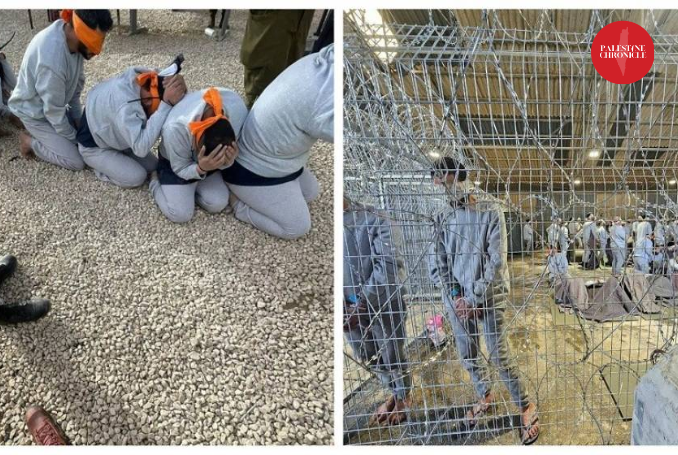
- Detainees described repeated cell raids, prolonged forced kneeling and exposure to cold, with bathing time restricted to 10 minutes for an entire cell.
Palestinian prisoners at Israel’s Ofer Prison are suffering severe weight loss amid food deprivation, untreated illnesses and deteriorating detention conditions, including a 15-year-old boy who has lost 26 kilograms, the Commission of Detainees’ Affairs said Monday.
A report issued following a lawyer’s visit to the prison, located in the occupied West Bank, detailed the conditions of sick detainees whose health has been weakened by inadequate food and a lack of necessary medical care.
Palestinian prisoners described widespread skin diseases, restrictions on washing and repeated raids in which their remaining personal belongings were confiscated.
Child Loses 26 Kilograms
Mohammed Abu Hamoud, 15, from Al-Jib, northwest of occupied East Jerusalem, has lost 26 kilograms since Israeli forces detained him on November 9, 2025.
The commission said he is held in a cell where prisoners suffer from skin and fungal diseases, with damp conditions and a shortage of hygiene supplies contributing to their spread.
His case was among several documenting substantial weight loss. Amin Qattash, from Aqabat Jabr refugee camp in Jericho, has lost approximately 50 kilograms since his detention on June 5, 2024.
Qattash suffers from colon and thyroid disorders and endured scabies for 16 months before recovering, according to the commission.
Ali al-Shweiki, from Ramallah, has lost 25 kilograms since his detention on December 4, 2024. He continues to suffer from the effects of a foot fracture sustained before his arrest and requires medical follow-up.
Al-Shweiki also has scabies accompanied by persistent itching, but has not received the necessary treatment.
Sick Prisoners Denied Essential Care
The report described serious gaps in care for prisoners with chronic illnesses, including 63-year-old administrative detainee Mohammed Halaika, from Al-Shuyukh in the Hebron governorate.
Halaika has pulmonary fibrosis, which causes shortness of breath, alongside high cholesterol, elevated blood fats and gout. Detained since October 23, 2026, he requires regular medication and medical monitoring.
Prison authorities provide his medicines only once a week, the commission said, worsening his condition and increasing the risk of complications, particularly given his age.
Another detainee, Mohammed Abu Rayala from Nablus, took regular medication for an accelerated heart rate before his arrest on September 17, 2026.
Since his detention, he has received neither a medical examination nor the medication needed to regulate his heartbeat, according to the report.
These cases formed part of a broader account from prisoners who described inadequate food, medical neglect and deprivation of basic daily necessities.
Cold, Cell Raids and Restrictions on Washing
Alongside hunger and untreated disease, prisoners reported being forced to remain on their knees for prolonged periods and subjected to repeated cell raids and searches.
Guards confiscated even their few remaining personal possessions during those searches, the commission said.
As winter approaches, guards deliberately open cell windows at night, exposing detainees to the cold. Meanwhile, the bathing time available to all prisoners sharing a cell has been reduced to just 10 minutes, despite the spread of skin diseases and the denial of personal hygiene supplies.
Around 9,350 Palestinians are held in Israeli prisons, including approximately 350 children and 90 women, according to Palestinian and Israeli rights organizations.
The groups have documented torture, food deprivation and medical neglect, conditions they say have contributed to the deaths of dozens of Palestinian detainees.
Violations have intensified since the beginning of Israel’s genocide in Gaza in October 2023.
(PC, AA)

